



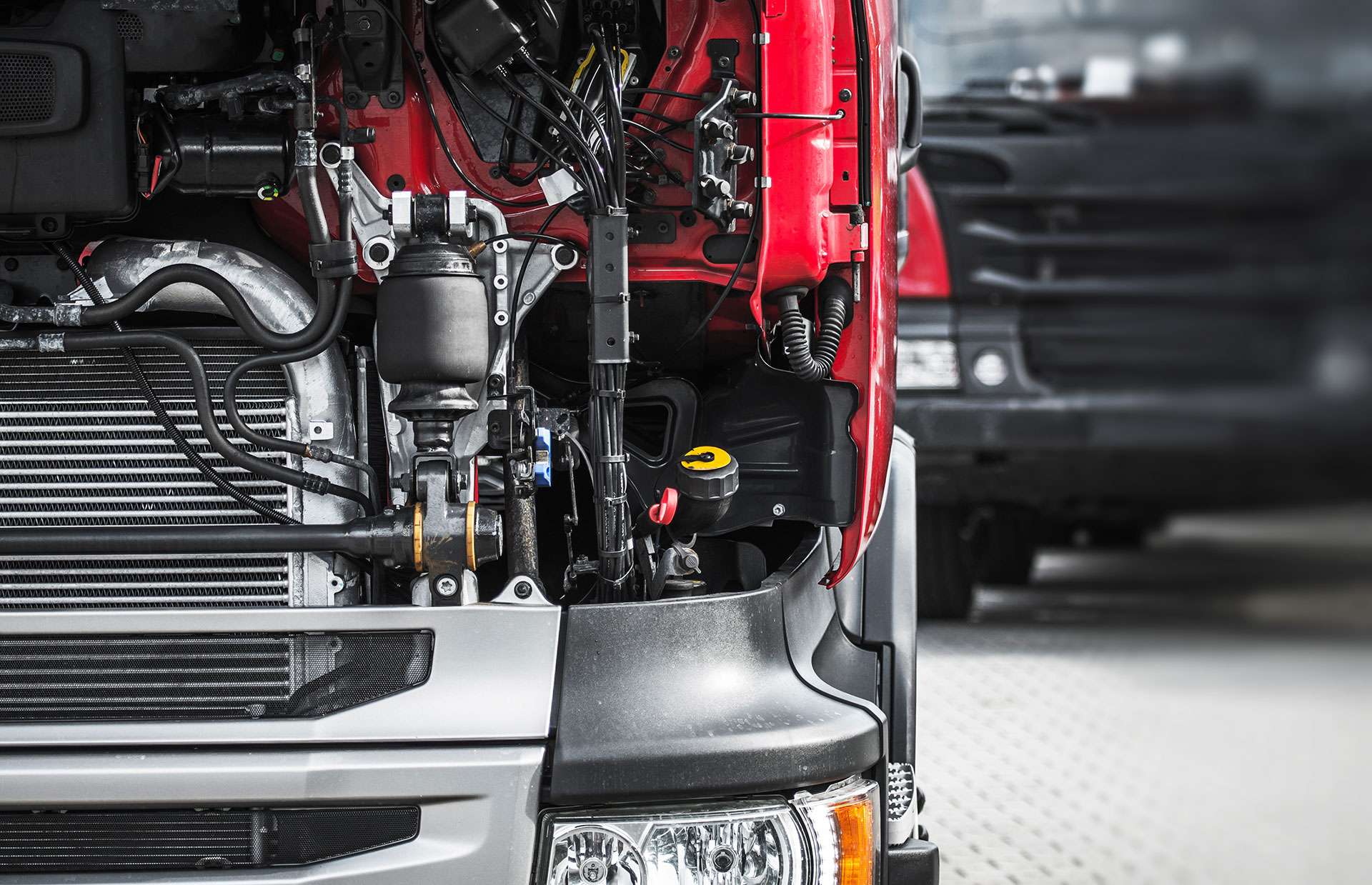
Preventative maintenance (PM) is the backbone of keeping heavy diesel vehicles running efficiently and avoiding costly breakdowns. Fleet operators and truck drivers understand that taking proactive steps ensures safety, longevity, and reliability. But what exactly does preventative maintenance involve for heavy diesel trucks, trailers, and buses? Let’s break down the key components.
1. Regular Fluid Checks and Changes
Diesel engines operate under extreme conditions, and keeping the engine lubricated is essential to avoid wear and tear. Regular oil changes are critical, but it’s also important to check transmission fluid, coolant, brake fluid, and power steering fluid. Monitoring these levels ensures your engine remains in peak condition, reducing the chances of overheating or component failure.
2. Filter Replacements
Filters in a diesel vehicle play a vital role in protecting the engine and its components from contaminants. Fuel filters, air filters, and oil filters need to be inspected and replaced periodically. Clogged filters can lead to reduced engine efficiency, poor fuel economy, and even major engine damage over time.
3. Brake System Inspections
Heavy vehicles are under significant strain when it comes to braking power, especially in high-traffic areas or while carrying heavy loads. Preventative maintenance involves thorough inspections of the brake pads, rotors, calipers, and hydraulic systems. Checking for wear and ensuring the brakes are in top condition reduces the risk of failure and increases safety on the road.
4. Tire Maintenance
Proper tire care is crucial for heavy diesel vehicles. Regular inspections for wear, proper alignment, and adequate tire pressure should be part of every PM routine. Tires that are improperly inflated or worn out can lead to blowouts, poor fuel efficiency, and uneven weight distribution. Rotating tires and checking for alignment issues help extend their lifespan and improve vehicle performance.
5. Electrical System Checks
A well-maintained electrical system is essential for modern heavy diesel vehicles, which rely on complex electronics for everything from engine control to lighting. Regularly checking the battery, alternator, wiring, and lighting systems ensures the vehicle is safe and ready for operation. Faulty electrical systems can lead to breakdowns and, in severe cases, put the driver and others on the road at risk.
6. Exhaust and Emissions Systems
With increasingly strict emissions regulations, maintaining the exhaust system is a critical part of PM. Diesel particulate filters (DPF) and selective catalytic reduction (SCR) systems need regular monitoring and cleaning to ensure they’re operating correctly and within compliance. A well-maintained emissions system not only keeps the vehicle eco-friendly but also helps avoid costly fines.
7. Transmission and Drivetrain Maintenance
The transmission and drivetrain endure immense stress in heavy diesel vehicles. Preventative maintenance includes checking transmission fluid levels, inspecting for leaks, and monitoring for any signs of unusual noise or vibration. Early detection of drivetrain issues can prevent expensive repairs down the line.
8. Cooling System Checks
Diesel engines generate a significant amount of heat, and the cooling system plays a vital role in preventing overheating. PM includes inspecting the radiator, hoses, and coolant levels. Ensuring there are no leaks or blockages in the system helps keep the engine running at optimal temperature, reducing the risk of damage.
9. Suspension and Steering System
Heavy diesel vehicles carry massive loads, which put a lot of pressure on the suspension and steering components. Inspections for wear on shocks, struts, springs, and steering linkages are essential for maintaining a smooth and safe ride. Worn suspension parts can lead to handling problems, excessive tire wear, and poor driver comfort.
10. Record-Keeping
Preventative maintenance isn’t just about physical inspections and repairs—it’s also about keeping detailed records of what’s been done. By logging all maintenance activities, fleet managers can track when components were last serviced and plan future maintenance schedules. This helps optimize vehicle uptime and ensures nothing is missed.
Why Preventative Maintenance Matters
By taking a proactive approach to maintaining heavy diesel vehicles, fleet operators can significantly reduce the risk of unexpected breakdowns, extend the lifespan of their vehicles, and improve fuel efficiency. Ultimately, preventative maintenance saves money, increases safety, and keeps trucks, trailers, and buses running smoothly.
If you operate a fleet or own a heavy diesel vehicle, don’t wait for problems to arise. Schedule regular preventative maintenance with a trusted diesel repair shop to keep your vehicle in top shape and ensure it’s ready for the road ahead.